
Recently, the Ministry of Education officially released the Catalog of Undergraduate Majors at General Higher Education Institutions (2026). Beijing University of Chemical Technology is among the first institutions to introduce a new undergraduate major in “Biomanufacturing.” This move not only serves as a key initiative to align with national strategic priorities and address the talent shortage in the industry but also represents a concrete step by the university to optimize its disciplinary structure and support high-quality development. As a quintessential representative of new-quality productive forces, biomanufacturing has become a pivotal focal point in the global technological revolution and industrial transformation. By launching this new major, our university will leverage its strengths in disciplines, faculty, and platforms to establish a distinctive talent development system, thereby supplying high-caliber, top-tier innovative talent to China’s biomanufacturing industry.
Empowered by National Strategy, Driven by Industrial Demand
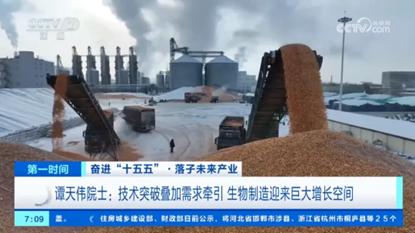
As a disruptive paradigm deeply integrating biotechnology and advanced manufacturing, biomanufacturing serves as a general-purpose technology platform for reshaping the industrial foundation and is a vital component of the national strategic layout. In recent years, the Central Economic Work Conference and the Government Work Report have repeatedly emphasized the need to foster strategic emerging industries such as biomanufacturing and cultivate future industries. The “15th Five-Year Plan” proposal further designates it as a new economic growth driver, marking biomanufacturing’s elevation to a vital component of the nation’s strategic scientific and technological capabilities and a key breakthrough in building a modern industrial system.
Biomanufacturing is a key element of the national strategic development framework. Its advancement is crucial to achieving the “dual carbon” goals, as well as ensuring food and industrial security. As the world’s largest chemical producer, China’s petrochemical and coal chemical industries generate nearly 900 million tons of carbon emissions annually, accounting for 23% of total industrial emissions. In contrast, bio-based products reduce emissions by an average of 50% to 70% compared to conventional petrochemical routes. If a 30% substitution rate is achieved in the chemical and materials sectors, cumulative carbon dioxide emissions could be reduced by over 1.5 billion tons by 2030, making this a critical pathway to achieving carbon neutrality. At the same time, China’s self-sufficiency rate for soybeans is less than 15%, requiring annual imports of 100 million tons. By leveraging biomanufacturing technologies to achieve large-scale production of microbial protein, we can establish a “non-arable land-dependent” protein supply chain, thereby breaking the deadlock of food resource constraints. In the context of international competition, biomanufacturing—as a key focus area in the “battle to master core technologies”—has become a strategic high ground in the rivalry among major powers.
High-level talent in biomanufacturing is an urgent requirement for the development of “future industries.” The global biomanufacturing sector is currently at the tipping point of industrialization. It is projected to replace 35% of petrochemical products over the next decade, and by the end of this century, 70% of global products could be produced via biological methods, creating $30 trillion in economic value. China’s core biomanufacturing industry has already surpassed 800 billion yuan in scale, with fermentation capacity accounting for over 70% of the global total. However, the industry faces a significant talent bottleneck: there is a shortage of professionals in foundational technology areas such as core databases and protein/enzyme structure prediction, as well as an insufficient supply of multidisciplinary talent in fields like engineering-scale upscaling and technology commercialization. The establishment of the Biomanufacturing major is specifically aimed at cultivating top-tier innovative talent to support technological self-reliance and the commercialization of research outcomes, resolve the “bottleneck” challenges in industrial upgrading, and ensure national competitiveness and high-quality development.
Disciplinary Platforms and High-Quality Faculty
With years of dedicated research in the field of biomanufacturing, Beijing University of Chemical Technology has become one of the first universities to launch a new undergraduate program in biomanufacturing. Leveraging its strong disciplinary foundation, high-caliber faculty, and advanced research platforms, the university possesses unique advantages in program development.
Deep Academic Heritage. The university has established a comprehensive academic support system covering related fields such as bioengineering and chemical engineering and technology. It maintains a complete talent development chain from undergraduate to doctoral levels. Proactively undertaking the Ministry of Education’s pilot program for the reform of the discipline and major adjustment and optimization mechanism, the university has independently established the interdisciplinary field of Intelligent Biomanufacturing. By promoting the deep integration of disciplines such as bioengineering and artificial intelligence, it has laid a solid interdisciplinary foundation for the development of the Biomanufacturing major.
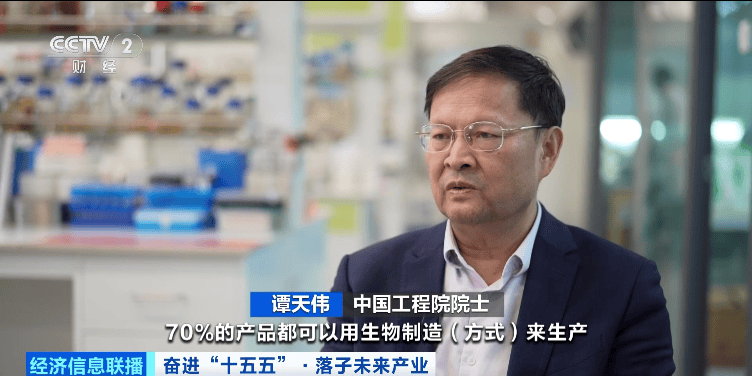
High-caliber faculty. The university has assembled a well-structured, robust, and interdisciplinary faculty team led by an academician of the Chinese Academy of Engineering, with national high-level talents and chief engineers from central state-owned enterprises serving as the backbone. This team is deeply engaged in cutting-edge research in the field of bio-manufacturing, integrating major research projects and real-world industrial challenges into the entire teaching process to achieve “research feeding back into teaching,” thereby comprehensively guiding the growth of talent.
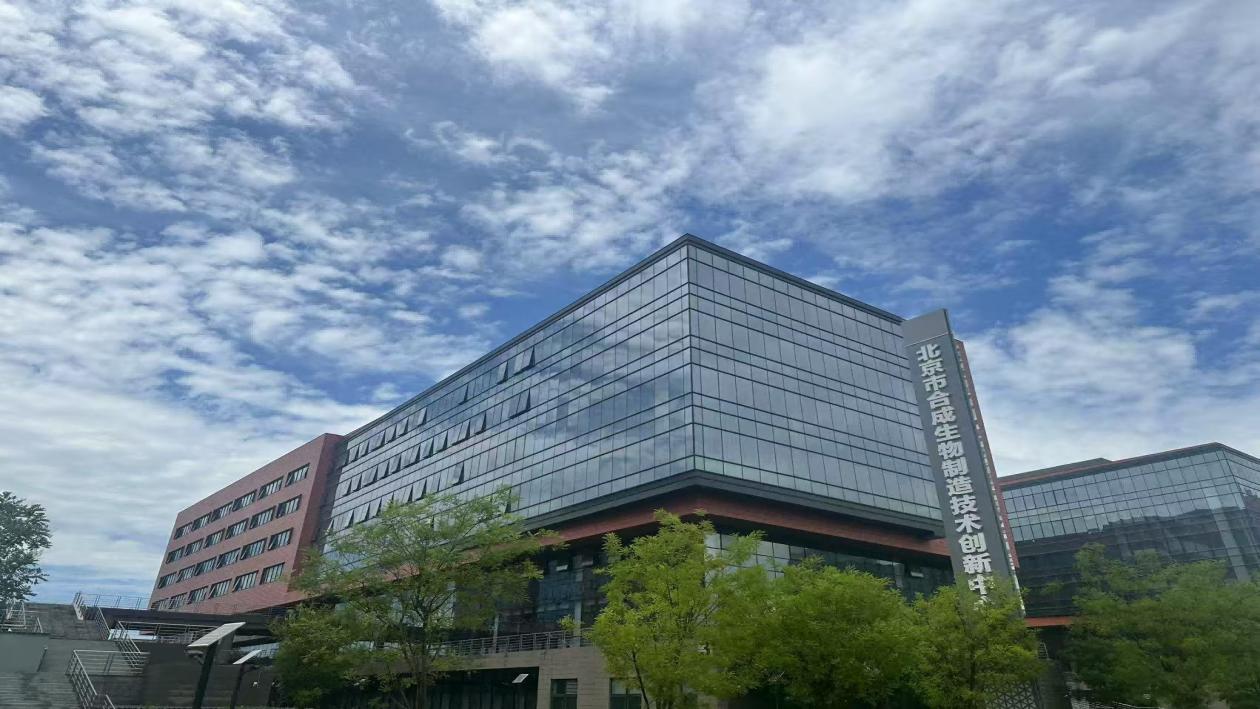
High-level platform support. The university has established high-end platforms such as the National Key Laboratory of Green Biomanufacturing and the Beijing Innovation Center for Synthetic Biomanufacturing Technology. Simultaneously, it collaborates with over ten central state-owned enterprises and industry leaders to build a tangible operational platform comprising “university research institutes + enterprise research institutes + industry-academia-research joint centers.” This initiative bridges the “last mile” of collaborative education among universities, enterprises, and research institutions, facilitating seamless integration between basic research, applied transformation, and industrial implementation, and providing students with a first-class environment for scientific research and practice.
Innovative Training Models, Focused on Competency Development
The development of the Biomanufacturing program at Beijing University of Chemical Technology centers on the “deep integration of science, education, industry, and teaching,” building a distinctive talent cultivation system. It emphasizes full-chain curriculum coverage, innovation-driven practical training, and the cultivation of an international perspective, dedicated to nurturing top-tier innovative talents who possess both theoretical foundations and practical capabilities.
Establishing a Full-Chain Curriculum System for Biomanufacturing. The program’s curriculum closely aligns with the distinctive interdisciplinary nature of “AI + Biomanufacturing.” Grounded in national biomanufacturing strategies and the development needs of new-quality productive forces, it has established a full-chain curriculum system covering “fundamental theory, core technologies, engineering practice, and industrial applications.” The curriculum not only covers the core theoretical foundations of biomanufacturing but also reinforces the development of specialized capabilities across multiple scales and the entire chain through AI-enabled biomanufacturing.
Strengthening training in innovative practical skills. Real-world industrial projects are integrated throughout the entire training process, implementing the “Three Early” principle of “early project involvement, early team integration, and early laboratory access.” This enables students to deeply engage in national research projects or industry-commissioned research, comprehensively enhancing their innovative engineering and practical capabilities.
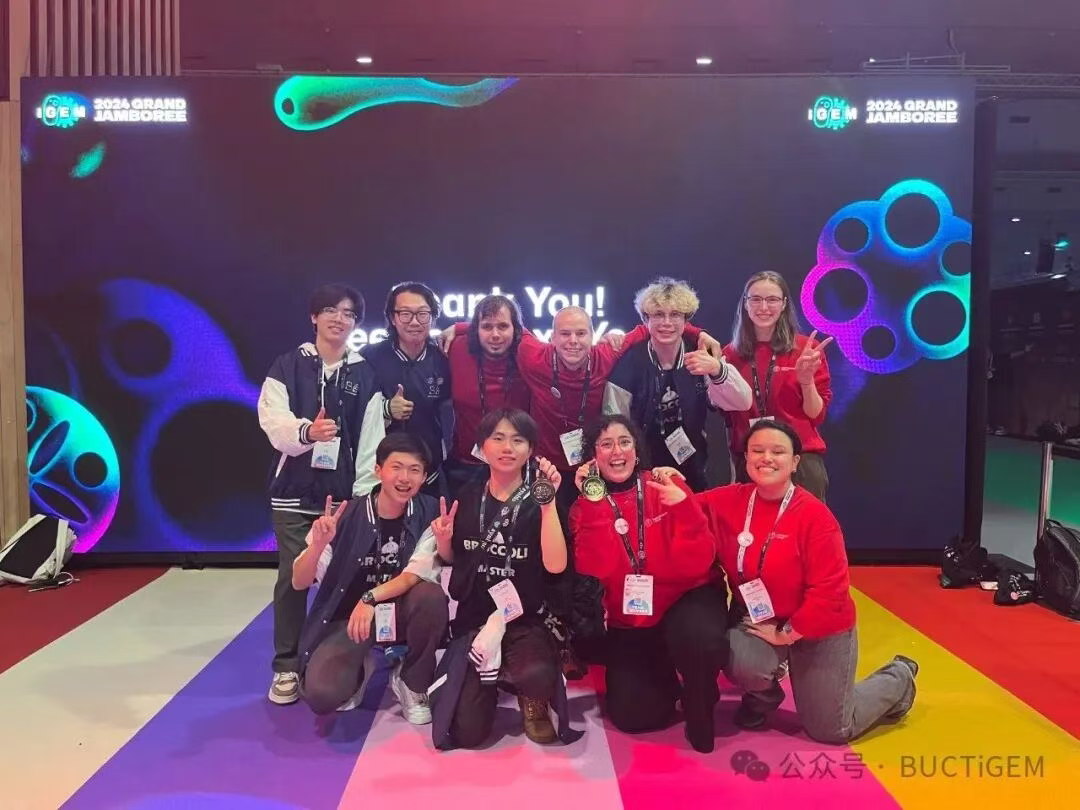
Building an international education system. Leveraging international joint laboratories, we invite foreign members of the Chinese Academy of Engineering to teach, conduct international collaborative research, organize student participation in overseas study visits and international competitions, and encourage students to engage in international academic exchanges and cooperation. This enables students to understand cutting-edge developments and technological breakthroughs in the global biomanufacturing field, systematically enhancing their global perspective and international competitiveness.
Broad industry prospects and favorable employment outlook
With continued support from national strategies and ongoing breakthroughs in underlying technologies, the biomanufacturing industry is experiencing rapid growth. Its future trajectory is clear, offering vast opportunities for professionals and a consistently positive employment outlook.
Looking at future industry trends, biomanufacturing will continue to advance toward greater sustainability, intelligence, and diversification. In terms of sustainability, biomanufacturing will further leverage the use of renewable carbon sources and low-carbon process design to drive the manufacturing sector’s transition from “carbon consumption” to “carbon cycling,” becoming a core pillar for achieving the “dual carbon” goals; In terms of intelligence, AI technology will deeply empower the entire biomanufacturing value chain, achieving breakthroughs in areas such as protein structure prediction, enzyme design, and metabolic network modeling, thereby enhancing industrial production efficiency and innovation levels; regarding diversification, biomanufacturing will further extend its reach into multiple key sectors of the national economy—including biomedicine, synthetic biology, new energy and new materials, biochemistry, food, agriculture, testing, and environmental protection—forming a diversified industrial landscape.
Graduates of the Biomanufacturing program will possess strong future employability and vast career prospects. In the research sector, graduates can join research institutes and universities to conduct cutting-edge research in biomanufacturing, contributing to breakthroughs in core technologies; in the industrial sector, they can work in R&D, process design, production management, and quality control at enterprises in biopharmaceuticals, synthetic biology, new energy and materials, agriculture and food, testing, and environmental protection. Graduates of the Biomanufacturing program will become a core force driving the high-quality development of the industry, with promising future prospects.
Embracing the Mission of Our Times, Writing a New Chapter in Education
The launch of the new undergraduate program in Biomanufacturing at Beijing University of Chemical Technology reflects the university’s commitment to serving national strategies and supporting industrial upgrading. Moving forward, guided by Xi Jinping Thought on Socialism with Chinese Characteristics for a New Era, the university will thoroughly implement the fundamental task of fostering virtue through education, continue to deepen the integration of science, education, industry, and vocational training, refine training models, and strengthen platform development. We are committed to cultivating more top-tier innovative talents who meet national strategic needs and lead industry development, thereby contributing the wisdom and strength of Beijing University of Chemical Technology to the accelerated construction of a powerhouse in education, science and technology, and talent, as well as to the creation of a new growth engine for biomanufacturing and the development of new-quality productive forces.
We warmly welcome outstanding students who are passionate about exploring the mysteries of biomanufacturing, practicing the concept of green development, and contributing to industrial transformation and upgrading to join Beijing University of Chemical Technology. Here, you will pursue your dreams in the field of biomanufacturing and write a brilliant chapter of your youth!