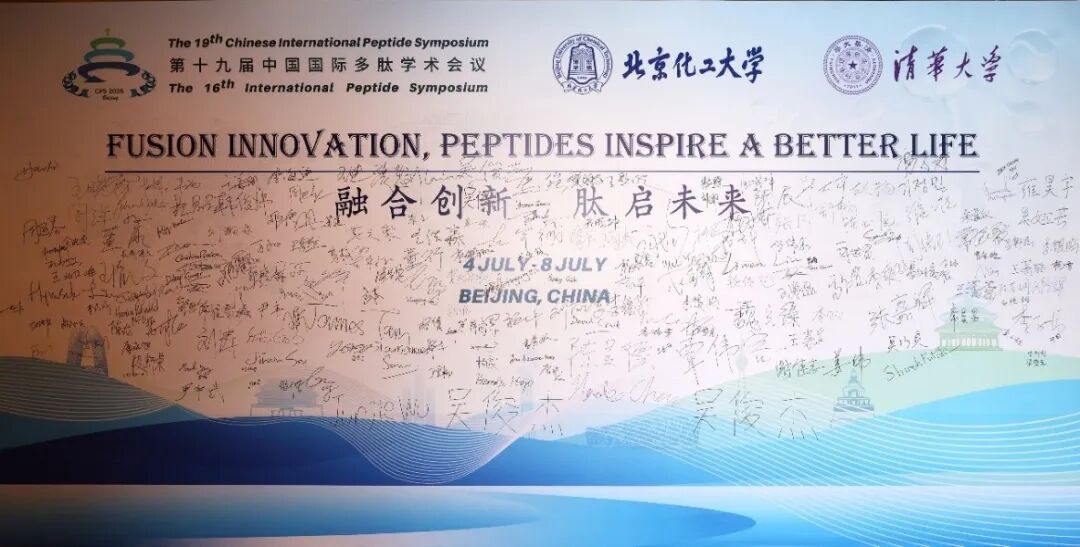
On July 5, 2026, the 19th China International Peptide Academic Conference and the 16th International Peptide Academic Conference opened in Beijing. This conference is jointly organized by Beijing University of Chemical Technology and the Department of Chemistry at Tsinghua University, and will be held from July 4 to 8, 2026. As one of the most influential academic events in the global peptide science field, this conference attracted over a thousand scientists, industry representatives, and young scholars from more than 30 countries and regions including China, the United States, Europe, Japan, and South Korea, who jointly explored the latest cutting-edge developments in peptide chemistry, peptide drug development, peptide materials, and health.
This CPS conference is themed "Integration and Innovation, Peptides Empowering a Better Life," featuring diverse academic exchange formats including keynote presentations, invited talks, oral presentations, and poster presentations. The conference covered cutting-edge topics such as peptide synthesis methodology, peptide drug discovery and development, peptide chemical biology, peptide materials and nanotechnology, peptide vaccines and immunotherapy, and cyclic and constrained peptide chemistry, presenting attendees with a high-level academic feast.
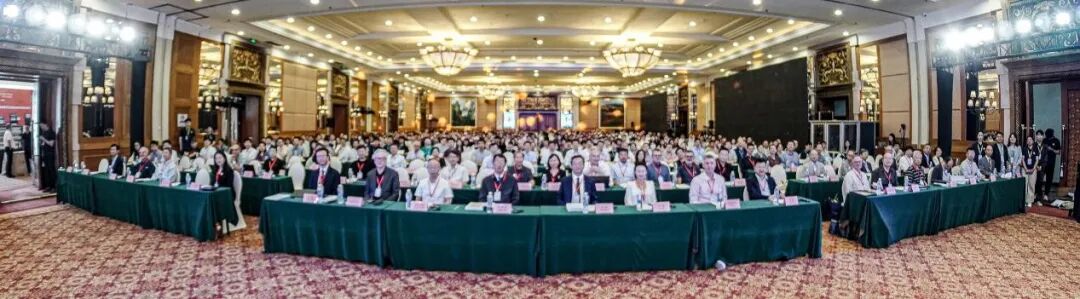
Academician Wang Rui, Academician of the Chinese Academy of Engineering, Professor at Lanzhou University, and Chairman of the Academic Committee of this conference; Xu Haijun, Member of the Party Committee and Vice President of Beijing University of Chemical Technology; Tian Yu, Director of the Life Science Service Office of the Beijing Future Science City Management Committee; Professor Tong Yigang, Dean of the School of Life Science and Technology at Beijing University of Chemical Technology; Professor Liu Lei, Head of the Department of Chemistry at Tsinghua University, among others. The opening ceremony was hosted by Professor Luo Shizhong from Beijing University of Chemical Technology, chairperson of the conference.
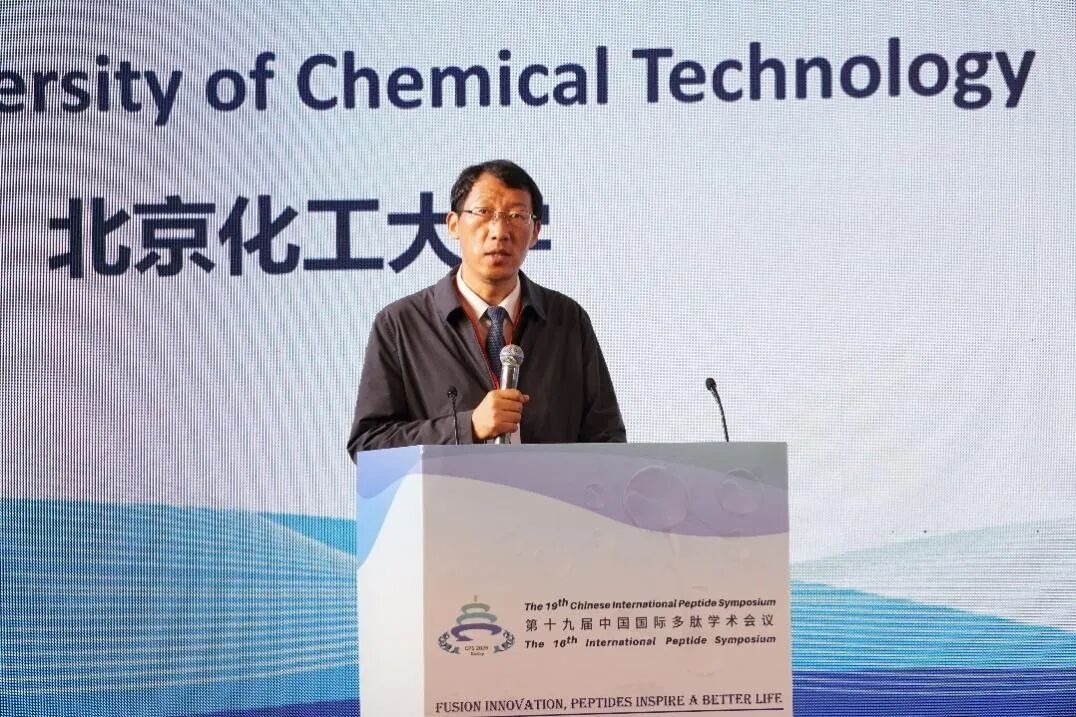
Vice President Xu Haijun, on behalf of Beijing University of Chemical Technology, extended congratulations on the convening of the conference and welcomed the attending guests. He stated that Beijing University of Chemical Technology has always adhered to serving national strategic needs and industry development needs, continuously promoting interdisciplinary integration, and has built a solid foundation in fields such as chemical engineering, materials science, life sciences, biomanufacturing, and biomedicine. Peptide science connects chemistry, biology, medicine, materials science, and engineering technology, closely aligning with the university's disciplinary characteristics and development direction. The university looks forward to using this conference as an opportunity to further deepen exchanges and cooperation with the domestic and international peptide science communities.
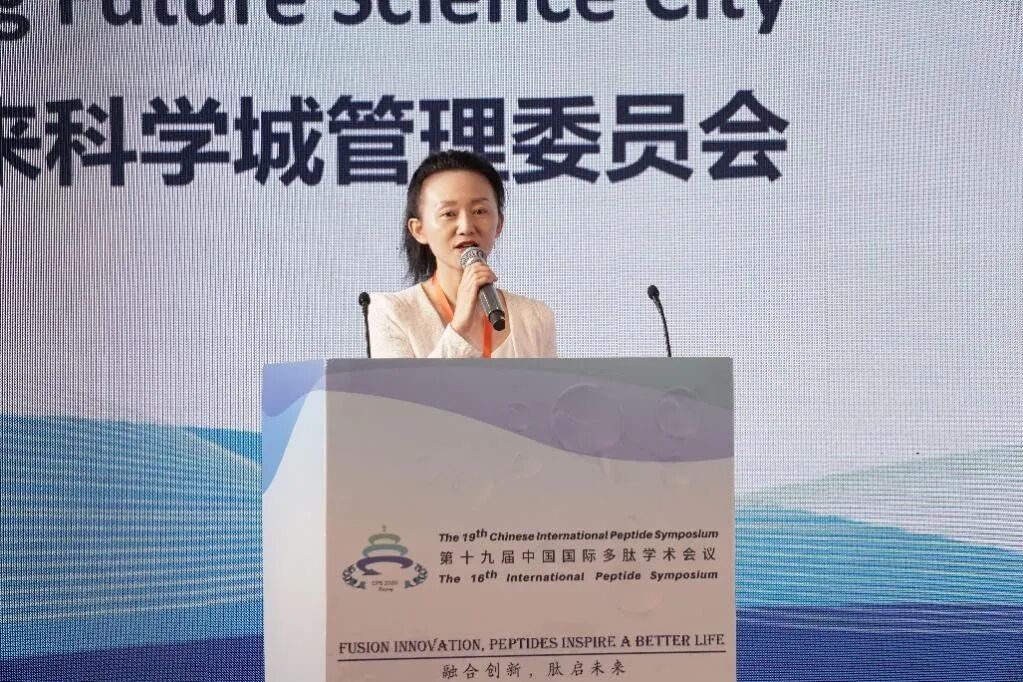
Director Tian Yu, on behalf of the Beijing Future Science City Administrative Committee, extended congratulations on the convening of the conference. She stated that Beijing Future Science City, as one of the key areas for Beijing's construction as an international science and technology innovation center, actively promotes development in life and health, biomedicine, and the transformation of scientific and technological achievements. The holding of this conference will further promote the deep integration of cutting-edge peptide science research with regional innovation ecosystems and industrial development needs.
In his speech, Academician Wang Rui reviewed the joint development of CPS and Chinese peptide science. He pointed out that since its founding in 1990, CPS has witnessed the gradual expansion of peptide science in China from peptide synthesis to chemical biology, drug discovery, biomaterials, and industrial transformation. Looking ahead, peptide science stands at a new development juncture. With the rapid development of peptide drugs like GLP-1, Chinese researchers and companies are playing an increasingly important role in the global peptide innovation system. He encouraged young scientists to make full use of the conference platform, actively communicate and expand cooperation, and jointly promote future breakthroughs in peptide science.
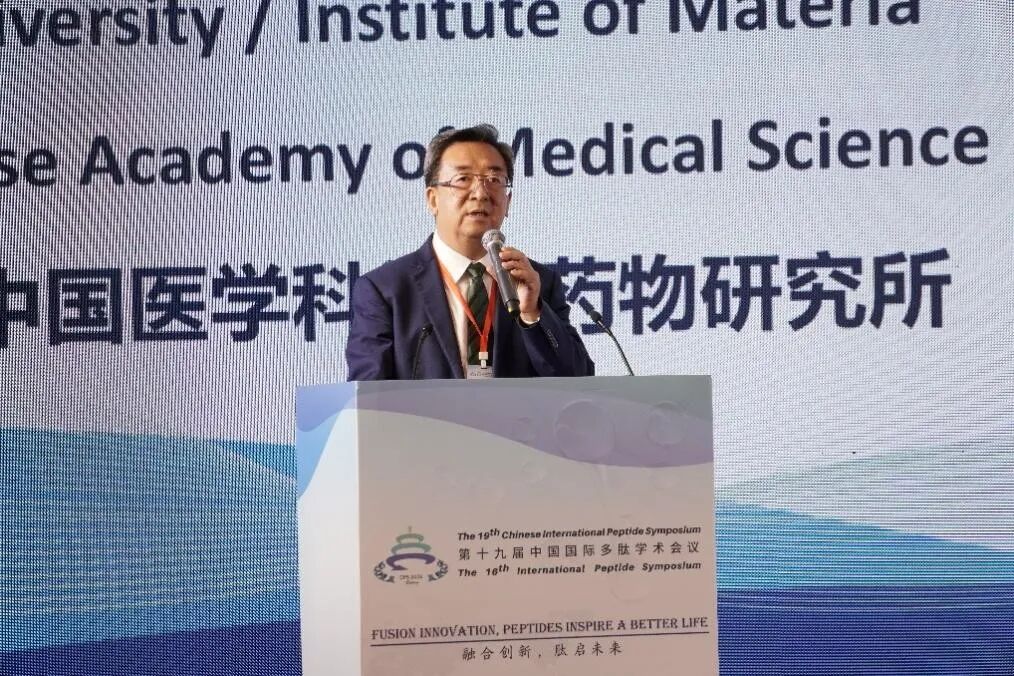
This conference focused on four topics: "Peptides and Chemical Biology," "Peptides and Drugs," "Peptides and Materials," and "Peptides and Health." The conference featured 2 conference presentation sessions and 16 sub-venues, with 9 plenary presentations, 62 keynote presentations, 56 invited presentations, 48 oral presentations, 12 flash presentations, and 130 poster presentations, providing a high-level, multi-level academic exchange platform for researchers and industry representatives in the peptide field at home and abroad.
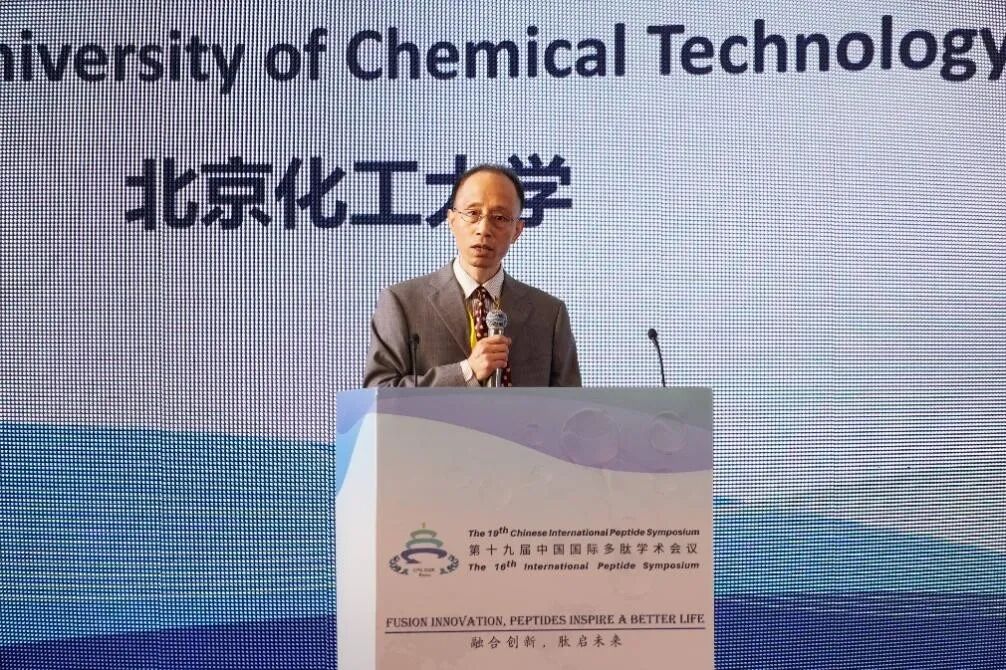
Since its founding in 1990, the China International Peptide Academic Conference has become a highly influential international academic exchange platform in the field of peptide science in China. This conference, co-hosted with the 16th International Peptide Academic Conference, further demonstrates the growing international influence of Chinese peptide science and provides an important opportunity for deepening exchanges and cooperation between China and the global peptide science community, as well as promoting the integration of basic research and industrial innovation.