
To broaden the medical knowledge of faculty and students and inspire their awareness of medical-engineering collaborative innovation, the Biomedical Translational Engineering Research Center of Beijing University of Chemical Technology and China-Japan Friendship Hospital, in conjunction with the Education Department of China-Japan Friendship Hospital, successfully held a series of medical science popularization lectures on the afternoon of November 10, 2026. This lecture featured a presentation by Dr. Lian Rui, Deputy Chief Physician of the Emergency Department of China-Japan Friendship Hospital, entitled Clinical and Innovative Translational Research on Key Technologies for Critical Care Medicine.
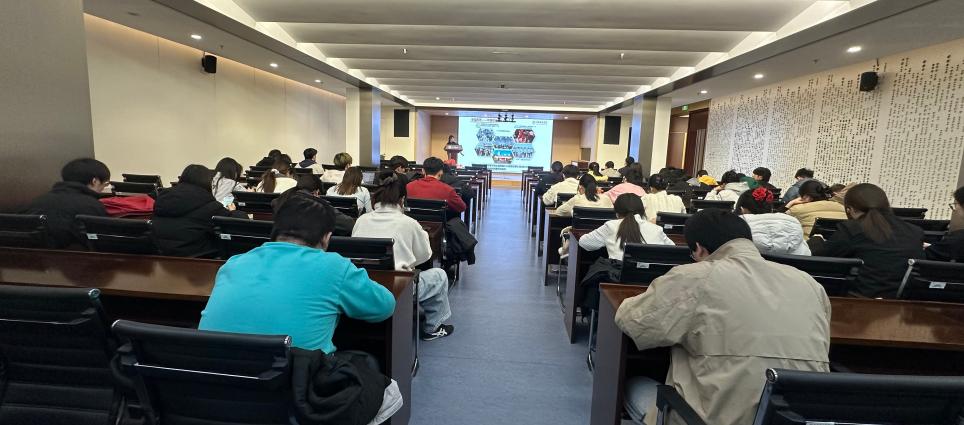
Associate Director Lian Rui, drawing on her 17 years of experience in emergency medicine and her accumulated research experience, systematically explained how to extract scientific questions from the daily diagnosis and treatment of critically ill patients and effectively explore research directions for clinical innovation. Focusing on the clinical application of point-of-care ultrasound (POCUS), AI-assisted and simulation-based teaching, Associate Director Lian Rui shared key insights on combining diagnostic testing with research on critical illness diagnosis, and on innovative translational research addressing challenges such as the integrated emergency care process at disaster relief sites and quantitative monitoring of cardiopulmonary resuscitation. Through case studies such as establishing an integrated diagnosis and treatment system encompassing "microscopic electrophysiological early warning—advanced life support—neurofunctional protection," she explored innovation strategies and key bottlenecks in the context of medical-engineering integration, aiming to inspire thinking within this context and facilitate multidisciplinary collaboration and the practical application of research results.
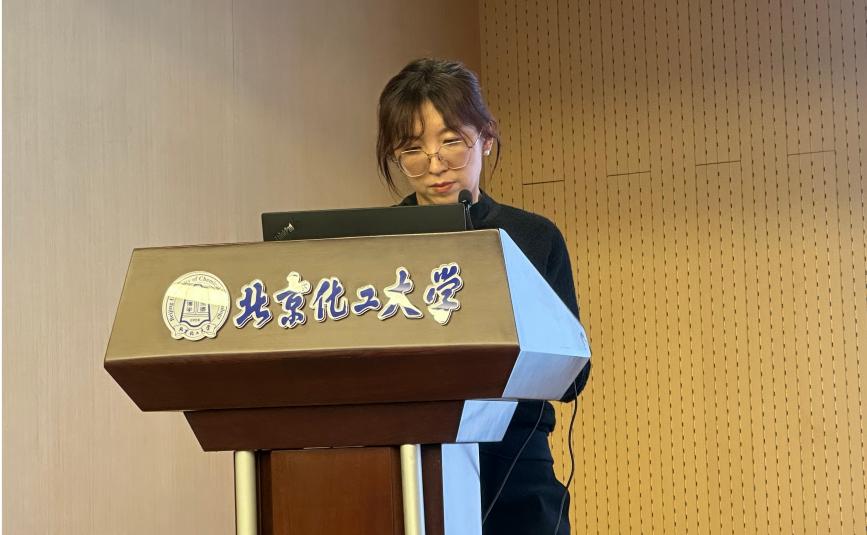
Through this lecture, the participating graduate students not only broadened their understanding of the clinical frontiers of critical and critical care and the interdisciplinary fields of medical engineering, but also gained clearer insights and inspiration on how to distill research questions from clinical pain points and promote the transformation of innovative achievements.
Lian Rui is the Deputy Director of the Emergency Department at China-Japan Friendship Hospital, and also serves as the Deputy Leader of the Youth Group of the Emergency Medicine Branch of the Chinese Medical Association, Secretary of the Emergency Medicine Branch of the Chinese Medical Association, member of the Emergency Committee of the Chinese Women Physicians Association, and instructor for the American Heart Association (BLS) and ACLS courses. Deeply engaged in frontline emergency clinical practice for 17 years, focusing on the full-cycle clinical practice of "prevention-diagnosis-rescue" for cardiac arrest, establishing an integrated diagnosis and treatment system of "microscopic electrophysiological early warning—advanced life support—neurological function protection," presiding over 5,000 emergency and critical cases annually, with a rescue success rate exceeding 96%.
The organizers of this event were the Biomedical Translational Engineering Research Center and the Education Office of the China-Japan Friendship Hospital of Beijing University of Chemical Technology, while the Party Branch of the Education Department of the China-Japan Friendship Hospital and the Student Union of the China-Japan Friendship Clinical Medical College are the organizers.
Photo and text: Zhao Man
Reviewed by: Jia Guanglian, Tong Yigang, Cao Hui